

Running a restaurant has always been difficult, but in 2026 margins are tighter than ever. Food costs fluctuate constantly, labor is harder to find, and customers expect faster service and better experiences than ever before.
The truth is most restaurants do not fail because of one massive mistake. They lose money slowly through small operational issues that compound every single week.
Here are five common mistakes quietly costing restaurant owners thousands of dollars every year.
1. Not Cleaning Fryers Every Night
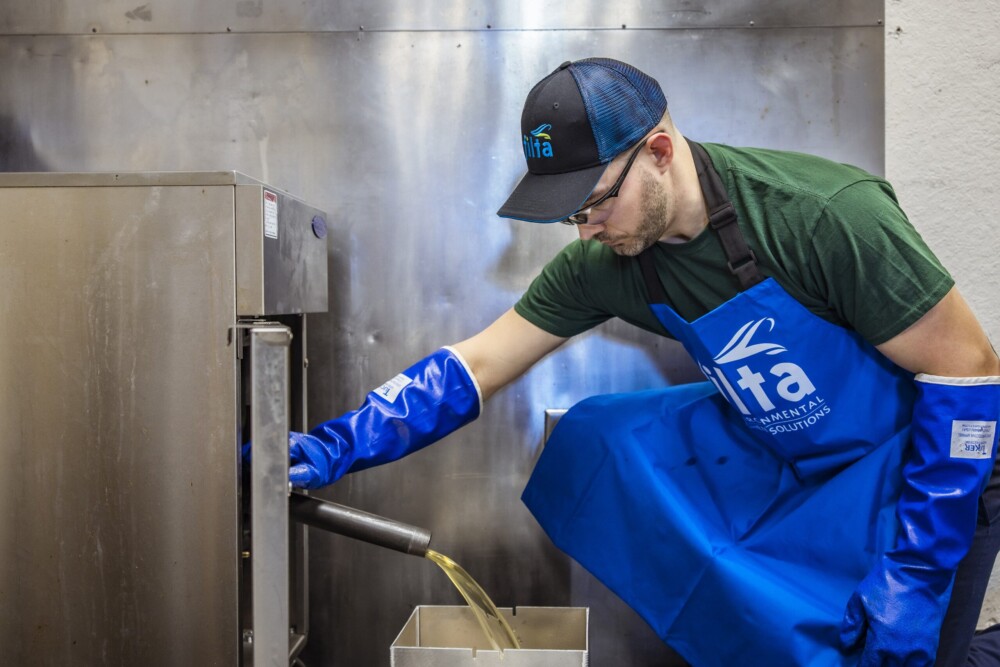
Fryers are one of the hardest working pieces of equipment in any kitchen, yet they are often one of the most neglected.
Throughout the day small pieces of breading, fries, and food particles fall into the oil. When those crumbs sit in the fryer overnight they burn and carbonize. Once that happens they accelerate the breakdown of the oil.
This creates several expensive problems.
First, oil degrades much faster. Restaurants end up replacing oil days earlier than they should. Considering many fryers cost $70–$120 to refill, frequent oil changes add up quickly.
Second, food quality suffers. Old oil produces darker fries, bitter flavors, and greasy texture. Customers notice even if they cannot explain why.
Third, the fryer itself becomes harder to maintain. Carbon buildup sticks to heating elements and fryer walls, making future cleaning more difficult.
A simple nightly routine of filtering oil, removing debris, and wiping down the fryer can dramatically extend oil life and maintain consistent food quality.
2. Being Understaffed During Peak Hours
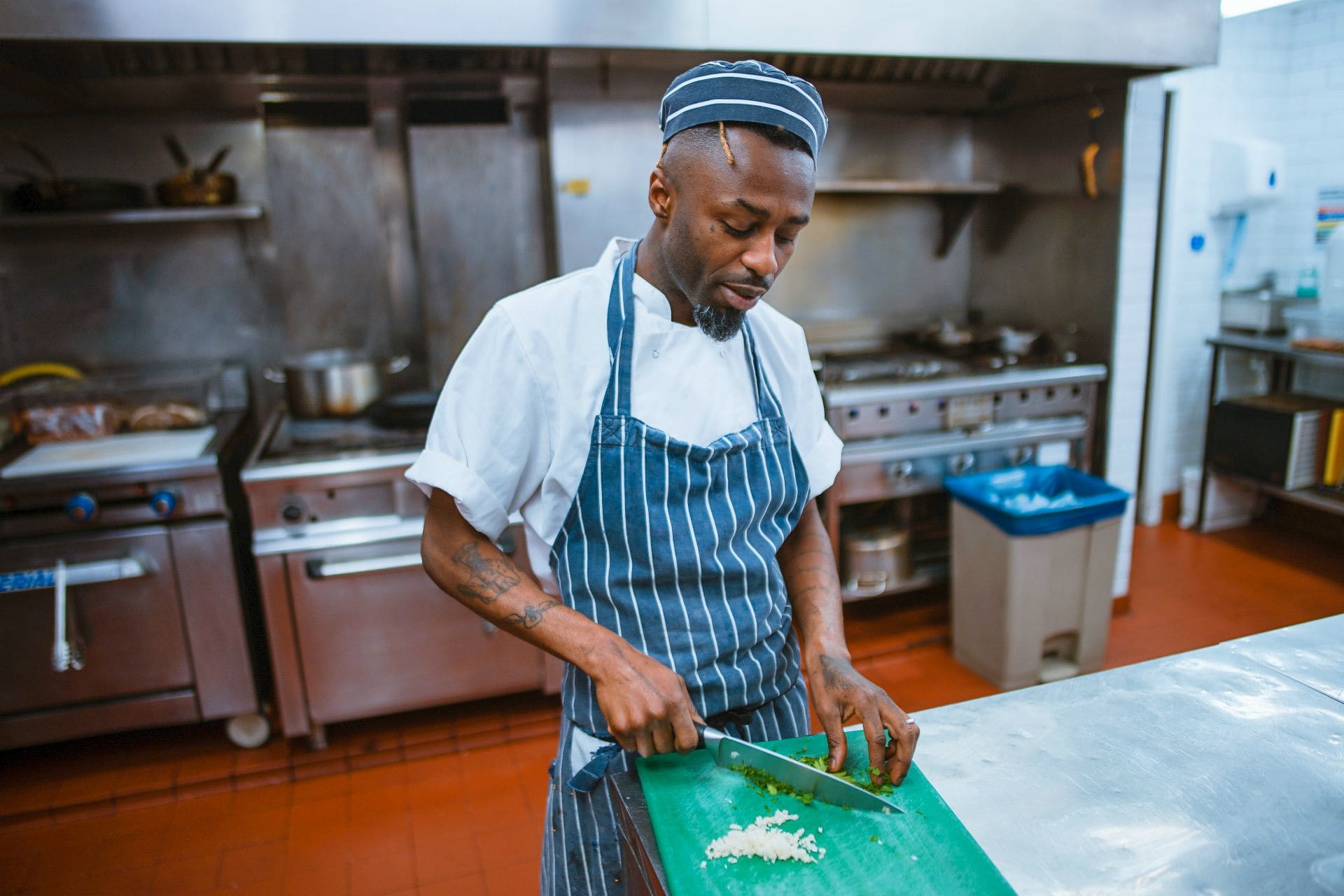
Labor is one of the largest expenses in a restaurant, so many owners try to keep staffing lean. Unfortunately cutting too deep often hurts revenue more than it helps costs.
When restaurants are understaffed during busy periods, everything slows down.
Orders take longer. Food sits under heat lamps. Servers become overwhelmed and mistakes happen more frequently.
From the customer’s perspective it looks like poor service. Long waits, cold food, and stressed employees leave a lasting impression.
One bad dining experience often means that customer never returns. Even worse, they may leave a negative review online that discourages dozens of future customers.
The most profitable restaurants understand something important. Peak hours are when money is made. Proper staffing during those windows keeps the kitchen moving, improves service, and allows the restaurant to serve more customers efficiently.
3. Ignoring Online Reviews

In 2026, online reputation has become one of the most powerful marketing forces for restaurants.
Most customers check Google reviews before deciding where to eat. A difference of even half a star in rating can dramatically impact traffic.
Many restaurant owners make the mistake of ignoring reviews entirely. Negative comments sit unanswered, complaints go unresolved, and potential customers assume the business does not care.
Responding to reviews does not just fix problems. It shows future customers that the restaurant values feedback and takes service seriously.
Even a simple response thanking customers for positive feedback builds trust. Addressing negative reviews professionally can often turn an unhappy customer into a loyal one.
Restaurants that actively manage their online reputation tend to maintain stronger ratings and attract significantly more new customers.
4. Overly Complicated Menus

Many restaurant owners believe that offering more options will attract more customers. In reality, overly large menus usually create more problems than benefits.
Large menus slow down kitchens. Cooks must prepare a wider variety of dishes, which increases ticket times and complexity during busy periods.
They also increase food waste. Ingredients for rarely ordered items often expire before they are used.
Training new staff becomes harder as well. Servers must memorize more dishes and ingredients, while cooks must learn more preparation methods.
Some of the most successful restaurants today operate with surprisingly focused menus. By specializing in fewer items they can execute dishes consistently, reduce waste, and keep kitchen operations efficient.
A smaller, well executed menu often leads to higher quality food and better customer satisfaction. ( Example ) In N Out, Raising Canes, ETC... Simplifying the menu speeds up ordering, and gets more customers in the door.
5. Poor Food Cost Tracking

Food cost is one of the most critical numbers in a restaurant, yet many owners track it inconsistently or not at all.
Ingredient prices change constantly. Cooking oil, meat, dairy, and produce can fluctuate significantly over the course of a year.
If menu prices remain the same while ingredient costs increase, profit margins quietly shrink. Owners may not notice until months later when profits seem unusually low.
Successful restaurants monitor food cost regularly and adjust when needed. They analyze which menu items produce strong margins and which ones may need price adjustments or recipe changes.
Tracking food cost weekly or monthly helps maintain healthy margins and prevents small changes in ingredient prices from turning profitable items into money losers.


